Are All Landing Pages Starting to Look the Same?
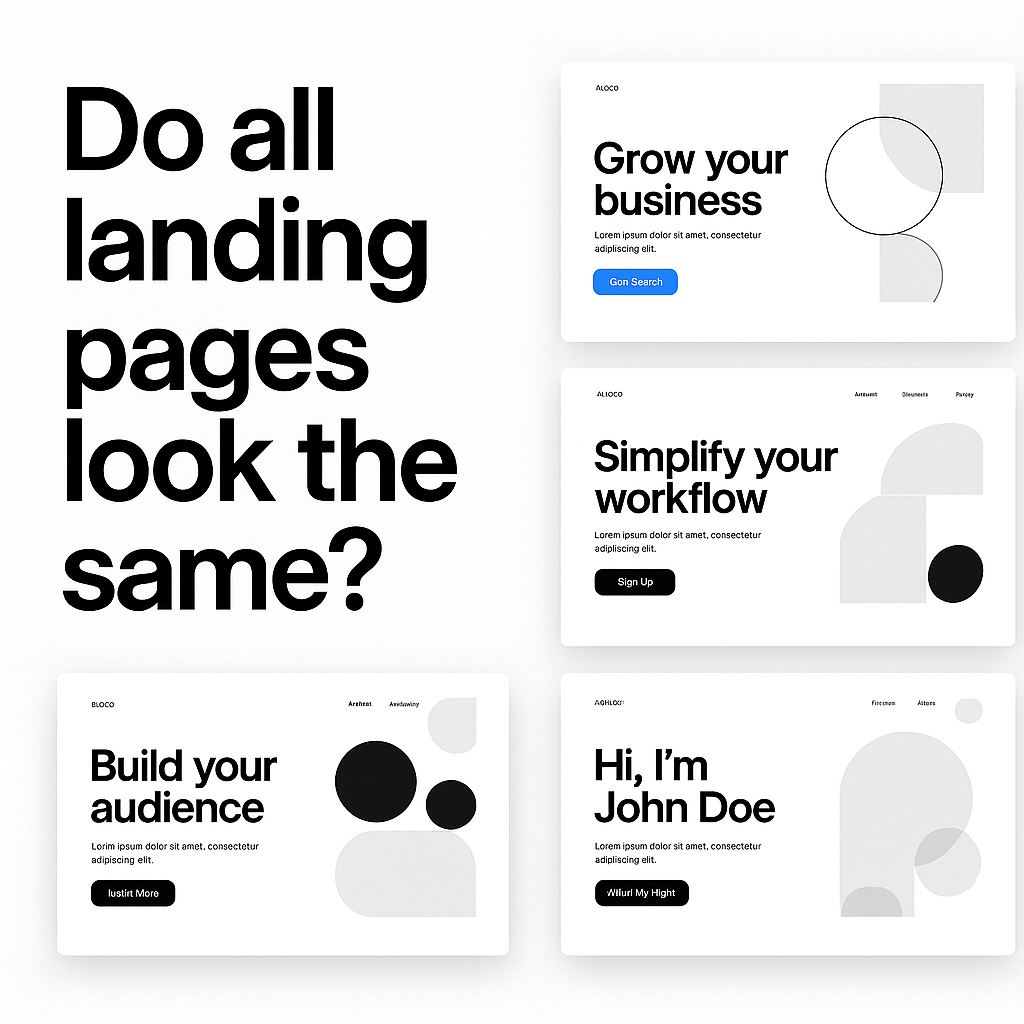
Take a scroll through any dozen startup websites or personal developer portfolios and you might notice something strange — they all kind of look the same. Clean hero sections. A big sans-serif headline. One clear CTA button. A sea of white space. Maybe some geometric illustrations in the background. Sound familiar?
As a designer or founder, you may have wondered: Is this just good UX… or are we stuck in a template loop?
The “SaaS Clone” Syndrome
Let’s look at this design example from Dribbble:
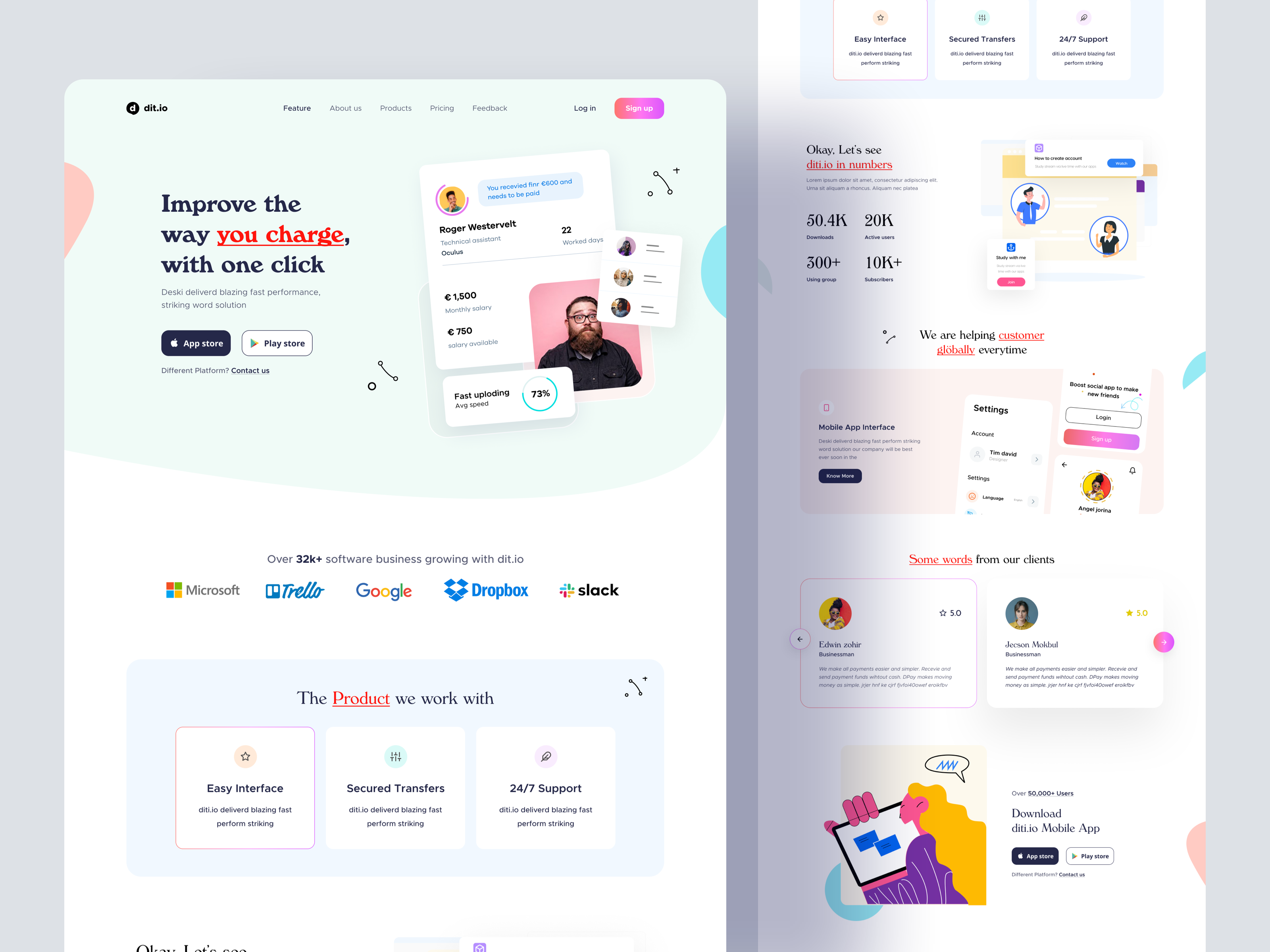
You’ve seen it before, right? A minimalist hero section. A punchy one-liner. A single App Store or Sign-Up button. This design pattern has become almost universal. As one design trend article puts it:
“Hero sections are cleaner than ever — no carousels, no walls of text. Just one solid statement, an eye-catching visual, and one strong CTA.”
It’s efficient, sure. But it’s also… repetitive.
Conversion-Driven, Creativity-Lite?
Here’s another example, this time from a SaaS landing page:
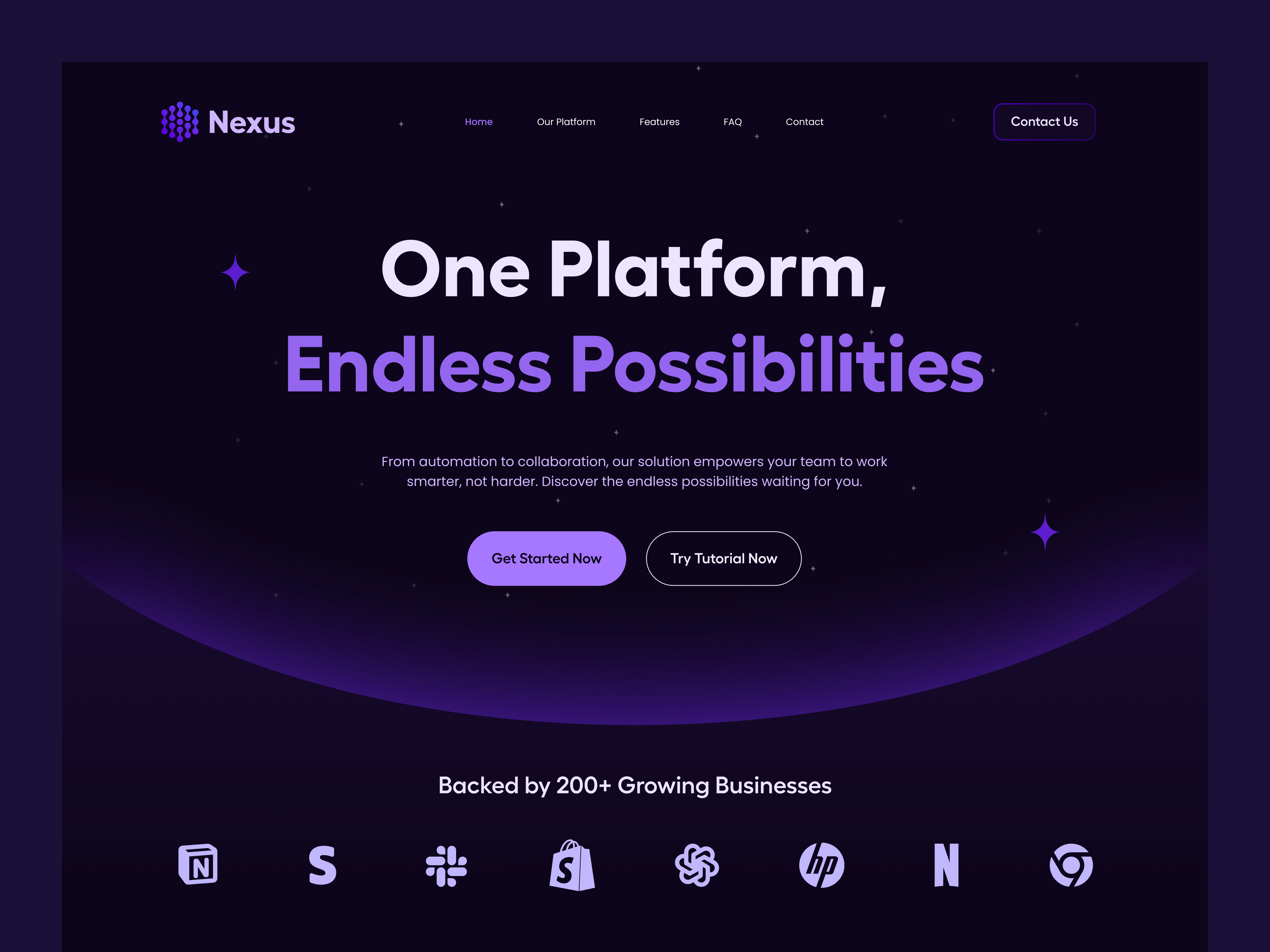
It nails every best practice:
- Large headline
- One CTA (“Start Free Trial”)
- Flat muted colors
- Grid layout
- Simple icons or logos in the header
According to most modern UI guides, this is how you optimize conversions. But in the process, personality often gets stripped away. Swap in your startup’s name and you’ve got a ready-made page — but so does everyone else.
Developer Portfolios Too?
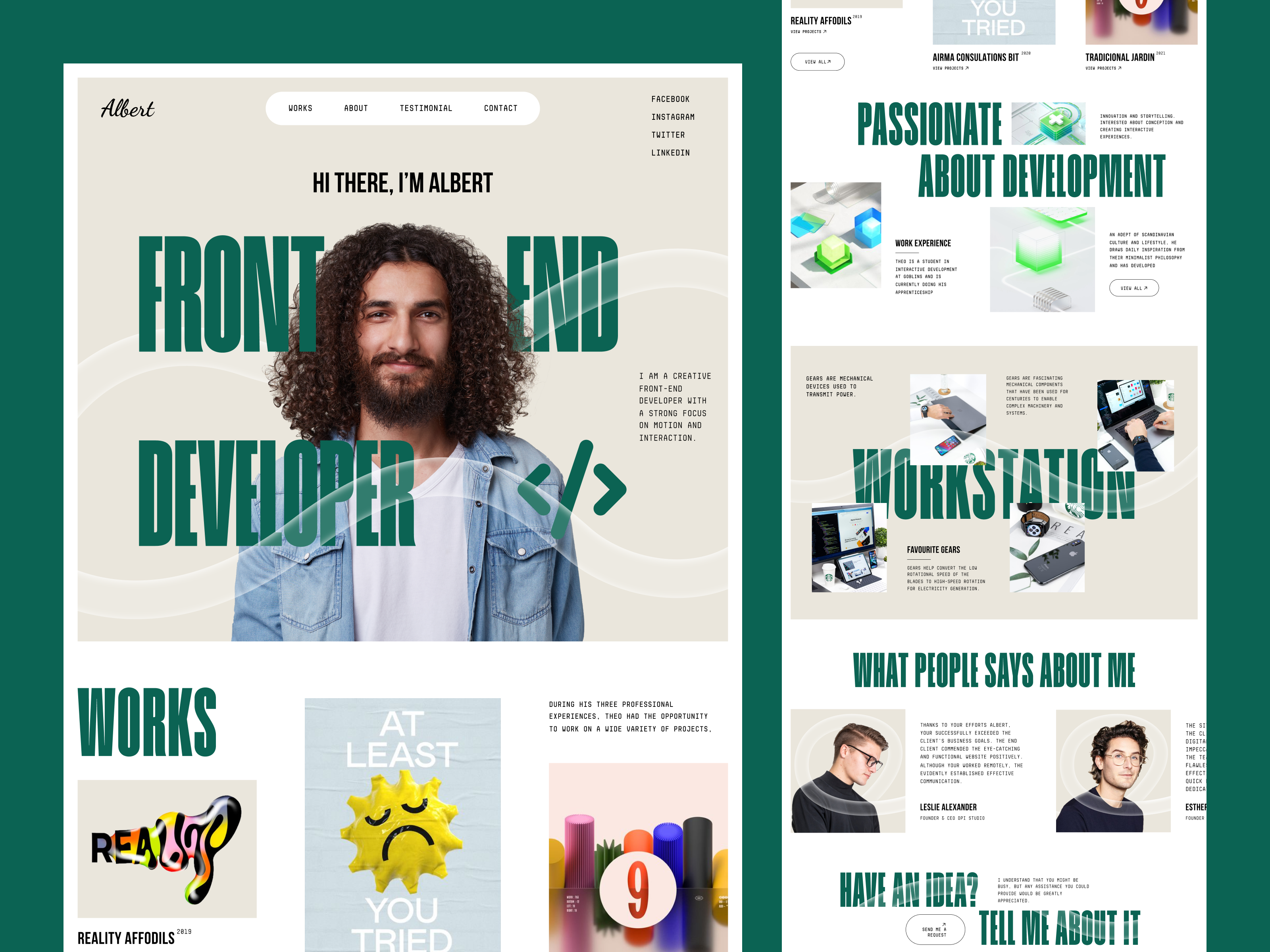
It’s not just startups. Even personal sites have joined the homogeneity party. Check out this developer portfolio layout:
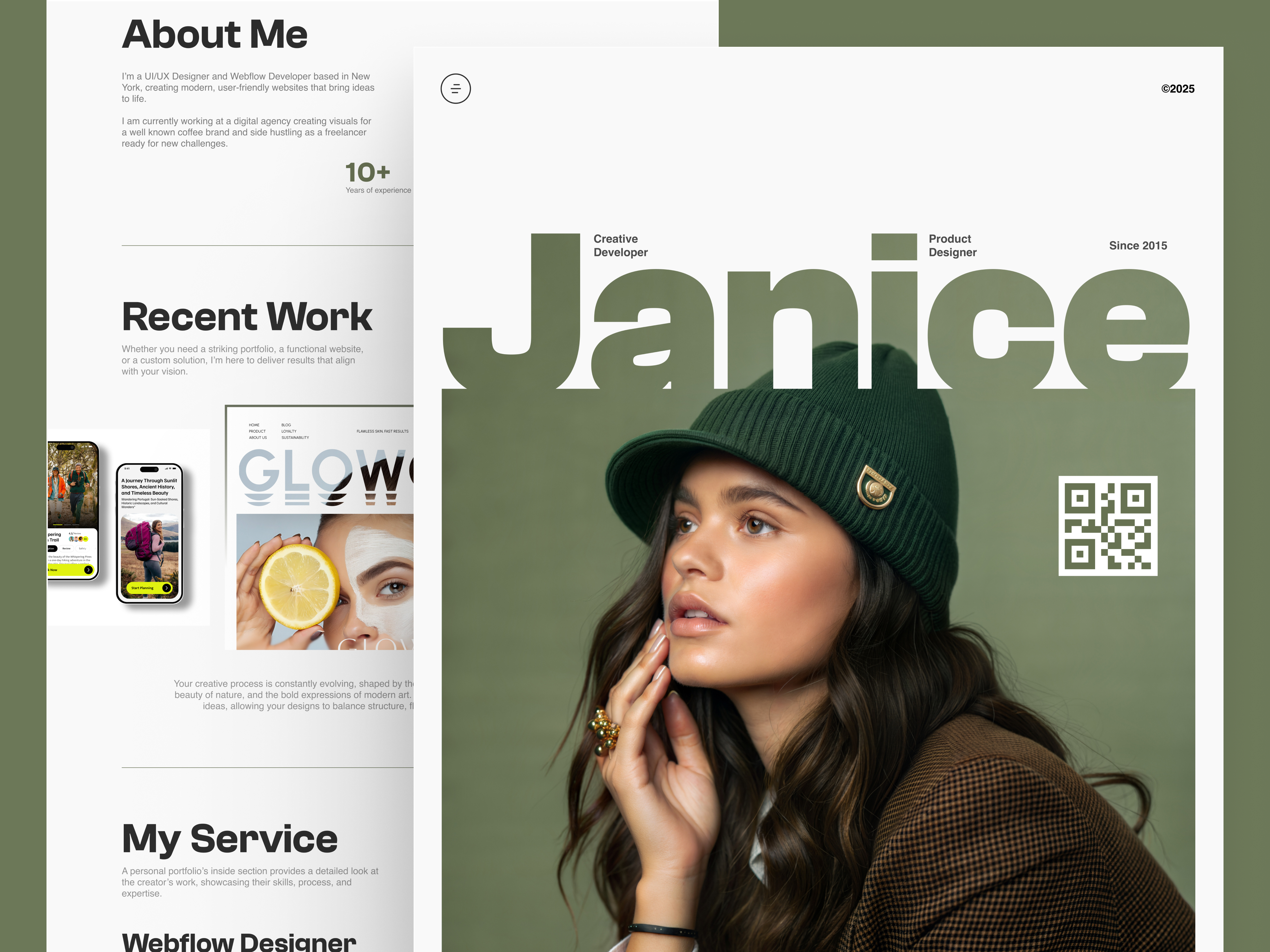
It’s clean. Professional. Modern. But again, very predictable. Big centered name/title. Abstract shapes. Minimal text. One button.
Ironically, even attempts to be “different” — like using 3D blobs, wavy dividers, or trendy gradients — have become part of the sameness.
“Designers are seeing big, bold type as focal visuals… paired with abstract backgrounds to ‘stand out’ — yet everyone is doing it.”
So… What Happened?
This isn’t necessarily bad. These layouts are popular because they work. Users understand them. They load fast. They’re mobile-friendly. But it raises a big question:
Are we sacrificing originality for performance?
In our quest to build sleek, fast, conversion-friendly pages, have we all landed in the same design sandbox?
Let’s Talk
I’m curious — if you’re a developer, founder, or designer:
- Do you feel like all landing pages/portfolios are starting to blur together?
- Are we stuck in the same design loop?
- What are some websites that do break the mold?
Drop a comment or link to a page you think stands out — let’s bring some weirdness back to the web.